



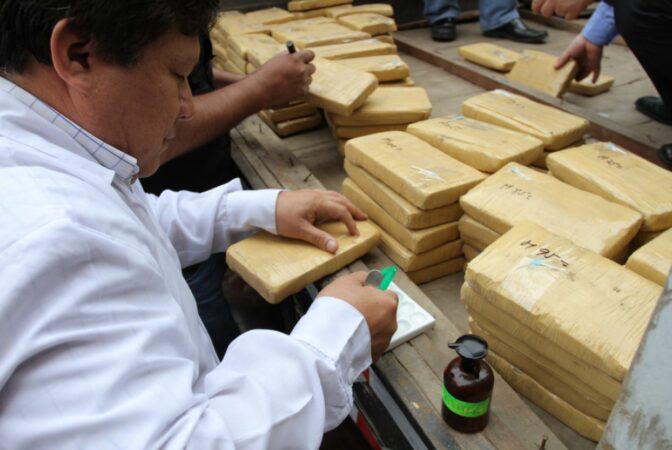



The illicit cocaine trade in Colombia has reached record levels, surpassing oil export revenues for the first time and becoming the country’s most valuable export activity, according to a study by EAFIT University in Medellín. According to the report, the value of cocaine exports in 2024 is estimated at around $16.5 billion. In the same period, the oil industry generated around $15 billion from exports. The data highlights the scale of the illicit drug economy in Colombia, which continues to be the world’s leading producer of cocaine. According to estimates included in the study, the country is responsible for around 70% of the global supply of the drug.
Cocaine already accounts for a significant portion of the Colombian economy. Researchers estimate that the trade generates about 4.4% of the country’s gross domestic product. Growth has been particularly strong over the past decade. According to the report, the cocaine economy’s share of economic activity has increased from about 0.8% in 2013 to more than 4% in 2024. Cocaine production has also increased dramatically. From less than 300 metric tons in 2013, estimated annual production in Colombia has reached almost 3 tons in 2024. Cocaine now ranks ahead of some of Colombia’s traditional export sectors. It is followed by coal, with about $7.1 billion in exports, while legal gold exports amount to about $4.1 billion. Illegal gold mining also constitutes a significant source of income, with an estimated value of around $3.6 billion.
The study also examines how the value of cocaine increases as it moves from production to international markets. In rural Colombia, where the coca plant is grown, the raw material is worth much less than the processed product. According to the report, one kilogram of cocaine-related product in the growing areas is valued at around $468, while after processing in illegal domestic laboratories, the value of one kilogram of cocaine hydrochloride reaches around $1,400. The difference becomes even greater as the drug enters international trafficking networks. According to the study, the volume-weighted average price for Colombian criminal organizations amounts to around $5,929 per kilogram after export.
In destination markets, the value increases significantly. In some European markets, the wholesale price can exceed $78 per kilogram, creating very large profit margins for criminal groups along the trafficking chain. The researchers point out that this indicates that a significant portion of the profits generated by the international cocaine trade do not remain at the production stage in Colombia, but are generated in the later distribution links abroad.
The growth of this illegal activity poses a major challenge to the Colombian economy and institutions. The scale of the cocaine trade affects not only the financing of criminal groups, but also security, corruption and local economies in the areas where coca is cultivated or trafficking organizations operate.
The EAFIT University report thus places the cocaine economy at a level that exceeds the revenues from one of Colombia's traditionally most important sectors. The fact that illicit cocaine exports have surpassed those of oil indicates the extraordinary growth of production and international trafficking networks, making the fight against the drug economy one of the greatest economic and security challenges for Colombia.