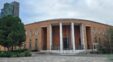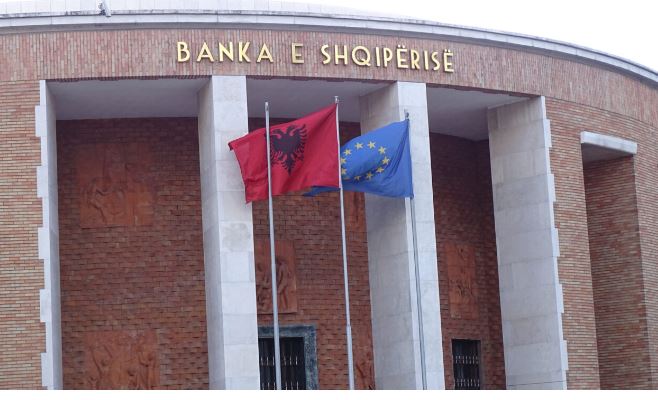



The Bank of Albania has decided to keep the key interest rate unchanged at 2.5%, but has given a clear signal that increasing inflationary pressures may require a tightening of monetary policy in the future.
At its meeting on October 7, the Supervisory Council also decided to keep the overnight deposit interest rate unchanged at 1.5% and the overnight loan interest rate at 3.5%.
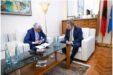
The Governor of the Bank of Albania, Gent Sejko, stated that the current monetary policy stance is still considered appropriate, but the increase in inflation and the risks mainly related to international developments have increased the premises for a tightening reaction in the future.
"The Supervisory Council emphasizes that the increase in inflation pressures and the presence of upside risks to our forecasts strengthen the premises of a tightening reaction in the monetary policy stance in the future," Sejko declared.
Such a reaction, if it materializes, would mean an increase in the base interest rate. The Bank of Albania has not set a moment for a possible move, emphasizing that future decisions will depend on new data on inflation, inflationary pressures, fiscal policy and exchange rate performance.
The signal comes after inflation accelerated over the summer. In July-August, average inflation reached 3.3%, while growth was somewhat faster than the Bank of Albania had predicted.
According to the Central Bank, the new pressures have come mainly from abroad, due to the increase in the prices of oil, energy, food and other basic commodities in international markets, also influenced by the intensification of geopolitical tensions in the Middle East.
In the domestic market, the increase in inflation during July and August was mainly driven by fuel and unprocessed food. In the opposite direction, prices of services and rents moved, with inflation for these declining.
The strengthening of the lek has continued to curb some of the pressures coming from abroad, but this time it has not been sufficient to completely neutralize the increase in international prices and inflation among trading partners. As a result, imported inflation has increased.
The Bank of Albania expects inflation to increase slightly over the next two quarters. However, this increase is assessed as moderate and temporary. Starting from mid-2027, inflation is expected to begin a gradual decline towards the Bank of Albania's target.
The pressures are not only coming from abroad. The labor market remains tight and wages are growing at a high pace. In the second quarter of 2026, the unemployment rate fell to a near-record low of 8.3%, private nonfarm employment increased by 2.3%, and the average wage increased by 11.5%.
The Albanian economy, meanwhile, continues to maintain solid growth rates. Gross Domestic Product grew by 3.6% in the second quarter, supported mainly by consumption and investment. Construction and services continued to be the main sectors supporting economic expansion, while industry and agriculture continued to contract.
The Bank of Albania has revised its expectations for economic activity in a positive direction, assessing that the growth rate in the future will be somewhat higher than in previous forecasts.
Strong growth is also continuing in lending to the economy. The private sector loan portfolio expanded by 15.4% year-on-year during July-August. Credit is financing business investments, housing purchases and household consumption, while the orientation towards the local currency continues to increase.
At the same time, the quality of banks' portfolios has further improved. The non-performing loan ratio has fallen to 3.7%, which according to the Bank of Albania is the lowest level recorded since the global financial crisis.
Despite the positive economic performance, the Bank of Albania sees the international situation as the main source of uncertainty. Tensions in the Middle East could lead to further increases in energy and commodity prices, putting pressure on inflation in Albania. At the same time, labor shortages and rapid wage growth pose another risk to prices.
For now, the base rate remains at 2.5%. But the message of the October meeting is more cautious than before: if price pressures persist or intensify, the Bank of Albania leaves open the possibility of returning to raising interest rates. /ekofin.al