


The well-known French newspaper "Le Monde" has dedicated an article to the anti-government protests in Albania, describing the situation as unprecedented since the fall of the communist dictatorship in 1991. According to the French media, after four and a half months of demonstrations, the anger of citizens has escalated, while the main demand of the protesters is the resignation of Prime Minister Edi Rama.
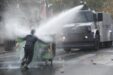
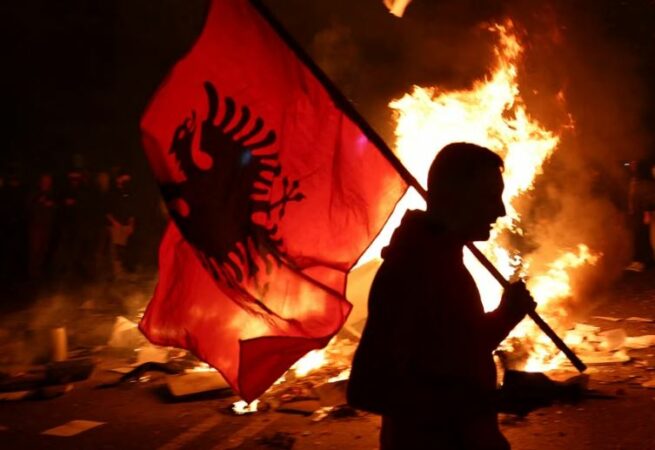
In an article published on October 17, Le Monde writes that the movement, known as the “Flamingo Revolution,” has changed form, leaving behind peaceful evening rallies and shifting towards tense protests that begin in the early hours of the day. Thousands of citizens have taken to the streets of Tirana, demanding Rama’s departure, improved living conditions, and the fight against corruption.
“After four and a half months of protests, demonstrators, angered by what they describe as ‘contempt’ and ‘indifference’ from Prime Minister Edi Rama, have chosen a new approach,” the French newspaper writes, referring to the escalation of protests and clashes in recent days. Researcher Gresa Hasa, quoted by “Le Monde,” links this revolt to the dissatisfaction accumulated over the years. “People want to live in a democratic country. This is the result of 35 years of frustration accumulated since the fall of the communist dictatorship in 1991,” she says.
According to the article, the anger has also spread to five other cities in the country. Meanwhile, Prime Minister Edi Rama, in power since 2013, has declared that he will not resign, accusing the opposition of inciting the unrest. However, “Le Monde” notes that opposition representatives have also faced reactions and boos from protesters, which reflects dissatisfaction with the entire political system. Writer and former Albanian ambassador to France, Besnik Mustafaj, describes the developments as unprecedented since the end of the communist regime. According to him, the escalation is a consequence of long peaceful protests, which, according to him, have not received the response sought by the authorities.
“This violence is the logical result of 137 days of peaceful protests that went unheeded. People are losing patience,” Mustafaj is quoted as saying. However, he raises concerns about the lack of organization and a representative structure within the movement, assessing that this makes dialogue difficult. “Le Monde” notes that the protest, which began with specific demands, has expanded to include broader dissatisfaction with the government and the political system. The radicalization of the movement, according to the newspaper, has increased uncertainty about future developments in Albania.