





Japan has surpassed 100 people aged 100 and over for the first time. According to data from the Ministry of Health, there are currently 107,677 people over 100 living in the country, the highest number ever recorded, and 88% of them are women.
The oldest person in Japan is Kishimoto Fuyo, 114, from Kyoto, while the oldest man is Kato Hikaru, 112, from Kumamoto. Health Minister Kenichiro Ueno said he was pleased that so many people were living long, healthy and active lives, attributing this to advances in medicine and technology.
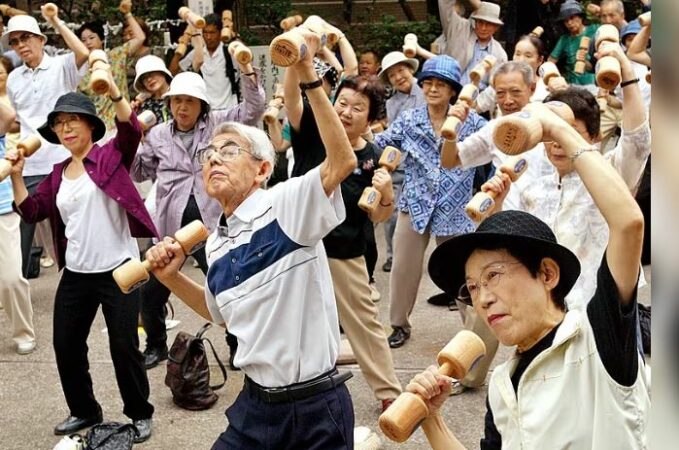
Experts attribute the high longevity of the Japanese to several factors, including nutrition and an active lifestyle. The traditional Japanese diet consists mainly of fish, vegetables and rice, while the elderly regularly walk, use public transport, cycle and do physical exercise.
However, Japan's rapidly aging population is becoming a major challenge. People over 65 currently make up about 30% of the population, and this figure is expected to approach 40% by 2070. At the same time, the fertility rate has fallen to record lows, with just 1.14 children per woman last year, far below the 2.1 needed to replace the population.
According to forecasts, Japan's population could fall to 87 million by 2070, about 30% less than the peak of 128 million in 2008. The government has described this trend as an "existential crisis", while programs and subsidies to encourage births have so far not led to a noticeable increase in the number of births.
The number of people over 100 has increased dramatically over the decades. In 1963, when the census began, there were only 153 people over 100 in Japan, while the figure reached 1 in 1981 and 10 in 1998.