



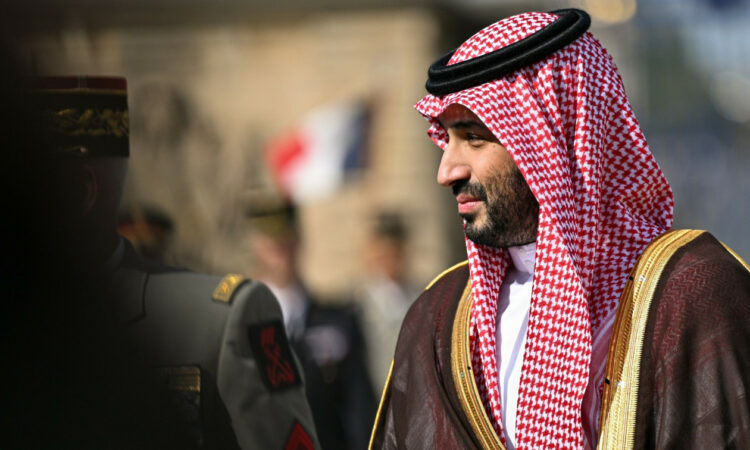



Saudi Arabia's Crown Prince Mohammed bin Salman has beefed up his personal security measures in the face of intensifying attacks by Houthi rebels, as Saudi authorities struggle to protect the country's energy infrastructure and strategic facilities.
According to a report by The Wall Street Journal, the crown prince is staying in palaces equipped with bunkers and surrounded by selected bodyguards. Meanwhile, Saudi officials are trying to move defense systems from one area to another to cover a wide territory and deal with potential threats. The threat from the Houthi rebels is testing the security of the kingdom and Mohammed bin Salman's plans to transform the Saudi economy, which relies heavily on oil. According to the report, a recent missile attack on Riyadh International Airport caused significant casualties and damage. The published material presents the number of casualties in different ways, so the exact number cannot be confirmed from the data provided.
Security concerns have also been heightened by previous attacks on energy infrastructure. In September, an attack on the East-West pipeline damaged one of the main routes that Saudi Arabia uses to transport oil to the Red Sea, bypassing the Strait of Hormuz. Mohammed bin Salman brought Saudi Arabia into Yemen's civil war in 2015, supporting the internationally recognized government against the Houthi rebels. The conflict has been marked by airstrikes and a severe humanitarian crisis. A ceasefire was reached in 2022, but tensions have risen again.
According to sources cited by The Wall Street Journal, Saudi intelligence had signals that Iran was pressuring the Houthis to join the conflict with the US and Israel. However, some Saudi officials had assessed that the rebels had been weakened by US strikes last year and would avoid direct involvement in a wider conflict.
Riyadh is now seeking help to bolster its air defenses and has reached out to its ally, Pakistan. Saudi authorities are also reportedly considering recruiting foreign fighters to support their allies in Yemen. Despite the pressure on Tehran, the Saudi crown prince is trying to keep diplomatic channels with Iran open. According to sources familiar with the matter, his advisers have been instructed to convey the message that Saudi Arabia does not seek a direct confrontation with the Iranian leadership.
Meanwhile, relations with the United States remain an important element of Saudi security strategy. However, according to the report, Washington has so far resisted Riyadh's demands for more direct military support against the Houthis, although it has sent military advisers. Faced with the risk of escalation, Saudi Arabia is simultaneously considering strengthening its military capabilities and the possibility of a diplomatic solution to a conflict that threatens its security and the stability of the region.