


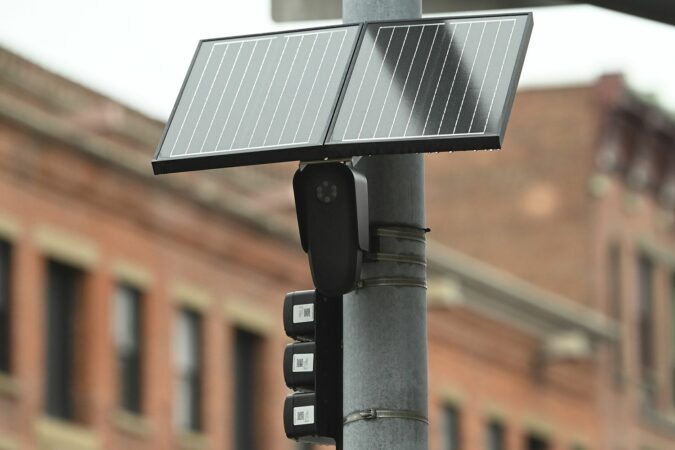



In the United States, the midterm elections are in two months. The protection of privacy is becoming part of the campaign with a public outcry against cameras that automatically read license plates. These cameras, which operate with artificial intelligence, are increasingly being deployed across the US and are subject to abuse by the authorities that control them.
It's about Flock cameras, which bear the name of the leader in this sector. The company Flock has installed more than 120,000 of them across the US. Flock began cooperating with the American police in 2020, and today the company's value exceeds 8 billion dollars, thanks to contracts in the security market.
Flock equips 40% of American law enforcement agencies. Everyone wants Flock cameras. From municipal police stations to county sheriffs and state police, like the one in Texas, for example. But there are also dozens of other agencies. Not to mention private actors, shops, apartment buildings, and many enterprises. The Flock camera network has become so gigantic that, according to the figures the company provides, it scans more than 20 billion license plates per month!
Tracking for private and political purposes
These automatic license plate readers have been part of the American urban landscape since 2020. But the controversy is only now heating up due to abuses reported by The Washington Post and several NGOs in recent months. Initially, the purpose of these reports of abuse cases was to help investigations. But, in more than 50 cases, it turned out that it was the police themselves who used the data collected by the Flock cameras to track their partners or ex-partners.
There are also cases of political profiling. Agents have accessed the Flock platform to discover, through license plates, the identities of activists who had gone to participate in a protest. And there was even a case in Texas of a police officer checking the system to see if a woman had gone to a clinic to have an abortion. A red line has been crossed, to the point that citizen organizations have sprung up to spot, count, and map Flock cameras and pressure elected officials to end these contracts.
Authorities that are breaking contracts with Flock
Dozens of municipalities have cut ties with Flock since early August. The governor of Texas has frozen funding, Florida is banning the readers from highways, and, to top it all off, Congress has launched several investigations because all of this is being done without oversight and without any court order.
Faced with a wall to the wall, Flock has reduced its data retention period from 30 to 7 days. But this has become a negative point for the midterm elections. Candidates who signed contracts with Flock have been called to provide explanations and could suffer losses during the November 3 vote.