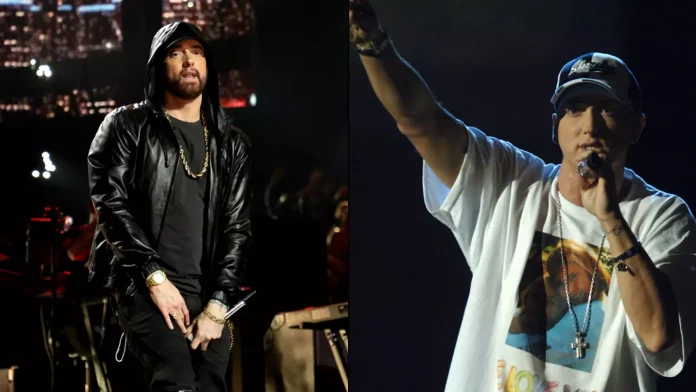



Twenty-five years after bursting onto the scene, it seems that rapper Eminem's provocative alter ego, Slim Shady, may finally be quiet, according to the BBC.
Antagonist Slim Shady, with his blonde hair and blue jeans, was drawn from Eminem's self-described "poor white people."
In a surprise announcement in April, Eminem revealed that his new album, “The Death of Slim Shady” (Coup de Grâce), would be released this summer.
Featuring cameos from rap icons Dr Dre, Snoop Dogg and 50 Cent, as well as comic figures like Pete Davidson and Shane Gillis, Eminem stands face to face with the anti-hero he created.
The title of the new album suggests a violent end for Slim Shady, with the rapper himself closing by saying, "I knew it was only a matter of time."
Marshall Mathers III, Eminem grew up in the poor neighborhoods of Michigan, where most of the residents were people of color from Detroit.
Rap became an escape – when he was still a teenager – from a childhood of strained parental relationships and bullying.
Eminem tried to break into the music scene and felt "crushed" when Vanilla Ice - became the only white rapper in the 1990s, his song "Ice Ice Baby" sold millions.
"Ice's name became synonymous with sales and production success," said Justin Sayles of The Ringer.
But Mathers was different, "a true product of the ghetto streets," writes Nick Hasted in his biography of "Eminem."