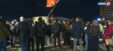



Student protests in Albania are becoming one of the main political developments of recent days, while dissatisfaction with the government is being accompanied by clashes with the police and calls for broader citizen mobilization. The Spanish news agency EFE has dedicated an article to the situation in the country, reporting on the protesters' demands, the position of Prime Minister Edi Rama and the spread of rallies outside Tirana.
According to EFE, Albania witnessed the fourth consecutive day of student protests against the government on Friday, which were accompanied by episodes of violence and clashes with the security forces. In its article, the agency emphasizes that the protesters accuse the authorities of corruption and worsening economic conditions, while the government has ruled out the possibility of resignation. Meanwhile, the right-wing opposition has called for the continuation of the mobilization.
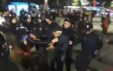
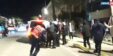
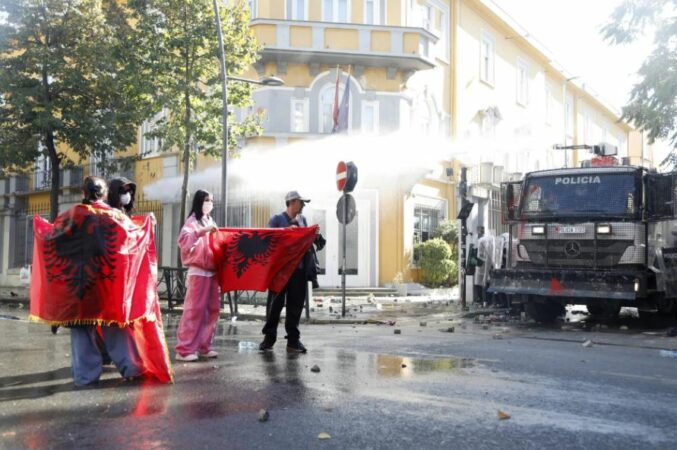
According to reports, protesters and police had reached an agreement in the morning hours for the peaceful development of the march. However, the situation became tense again during the afternoon and evening, first near the Ministry of Education and then in front of the Prime Minister's Office. During the clashes, groups of protesters threw stones at the security forces, while the police responded with tear gas and water cannons.
"The 'Martyrs of the Nation' Boulevard, where the government headquarters is located, was once again filled with cobblestones used during the clashes and with pieces of glass from broken business windows," the Spanish agency writes.
Rama rules out resignation, Berisha calls for mobilization
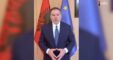
EFE also focuses on the position of Prime Minister Edi Rama, who has once again ruled out the possibility of resignation. The head of government has asked citizens for patience, expressing his belief that the country will overcome the crisis and emerge stronger from it. The agency recalls that Rama has been in power since 2013 and that in the May elections he secured another governing mandate with an absolute majority. According to EFE, the prime minister has accused the opposition of being behind the protests, while the Socialist Party claims that their aim is to hinder the process of Albania's integration into the European Union.
On the other hand, the leader of the Democratic Party, Sali Berisha, has called on his supporters to show solidarity with the students and participate in Saturday's protests. "History is calling on all Albanians to gather tomorrow in Tirana," Berisha declared, according to the Spanish agency. EFE also recalls that Berisha was president of Albania from 1992 to 1997 and prime minister from 2005 to 2013. He is currently under investigation for corruption.
Protests spread to other cities
Beyond Tirana, protests have spread to other cities in the country. According to EFE, since Thursday, rallies and marches have been held in Lezhë, Shkodër, Elbasan, Kurbin, Rrëshen and Fushë-Arrëz, among other cities.
The agency notes that Albania remains one of the poorest countries in Europe and faces ongoing concerns about corruption and the cost of living. In conclusion, EFE links the wave of student protests to a broader civic movement that began in May against government plans to develop a luxury project in the south of the country. Over time, this movement has expanded, including dissatisfaction with corruption, the rising cost of living and problems in the health and education systems. Protesters and political opponents of the prime minister have also expressed dissatisfaction with what they describe as the arrogance of the head of government. As the rallies continue and the situation remains tense, the students’ demands and the government’s response are keeping political developments in Albania in focus.