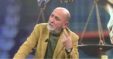
Analyst Fatos Lubonja commented on the show "Minuta e Parë" on News24, with journalist Ola Bruko, the debate about the surgical intervention on the leg of Tirana Mayor Erion Veliaj, and the obstacles to performing it in a private hospital.
Lubonja focused on the polarization between the rich and the poor, describing as worrying the fact that citizens do not trust public institutions and that even a person who is in prison seeks to receive health services privately. According to the analyst, Veliaj's case raises questions about the way the system works, while also bringing to attention his relationship with Prime Minister Edi Rama. Lubonja said that this situation is reminiscent of the times of dictatorship, when personal relationships with the government also determined the treatment an individual received.
During his commentary, the analyst also mentioned the case of Tuk Jakova, a former senior communist figure who died in prison in 1959 after undergoing surgery for appendicitis. He said that even today, questions remain about the circumstances of his death.
Referring to Veliaj's expressed fear of surgical intervention and the possibility of physical elimination, Lubonja said that he does not believe that the situation will go that far, but stressed that suspicions cannot be ruled out in such a climate of distrust. According to him, another important aspect is the possibility that Veliaj decides to cooperate and reveal what he knows about his relationship and activities with Edi Rama.
"In many aspects, the Veliaj issue, the first thing that comes to my mind is that until now people have gone there and have privately intervened. Meanwhile, they have stopped it here. First, this rich/poor polarization that we have built is the first thing that worries me, more than the fate of Veliaj or Rama. Don't trust public institutions! And in prison there is a rich/poor polarization. These are the ones who built this system, so people have come out in the streets, for this system. Even in prison, they go and seek private intervention.
The prosecutor is a man of the law and there are laws that if you have allowed it and you do not allow this, here it is no longer a matter of the law, but of Maliqi. Because he would have gone like the others, like in Durrës. That he may have been privileged. 'If you are with me, you do whatever you want. If you are no longer with me, I will make the law with you, I will persecute you.' (Rama-Veliajt)
This reminds me of those times gone by. One of Enver Hoxha's enemies, Tuk Jakova, was imprisoned and in the 50s died in an appendectomy. And to this day people say: he died or they killed him. And Veliaj alludes: oh, they're going to get rid of me. (He claims he's afraid of the operation and his fate of being under the effects of anesthesia).
Will there be a plan for physical elimination, I don't know, because he can defend himself, but I don't believe it will go that far. But crime begets crime and he has embarked on this path. If he decides to make you repent and show what he did to Edi Rama, they can get rid of him. We often say: make you repent. They don't let you make you repent, they don't want to. When they don't let you, they do it by getting rid of you. But this is by watching and analyzing," he said.