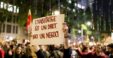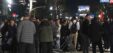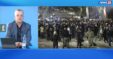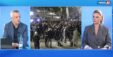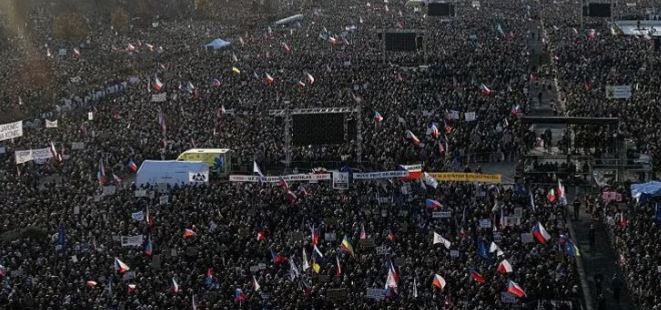



Thousands of citizens have gathered in central Prague to protest against the Czech government's plan to abolish the license fee for public television and radio and replace it with funding from the state budget. Protesters warn that changing the funding scheme could give politicians more influence over public media and endanger press freedom.
Sunday's protest was organized by the association "Million Moments for Democracy," which claimed that around 400 people took part in the rally. Opposition has been mounting since last month, when parliament approved the first draft of the government's proposal.
Currently, Czech families pay 205 crowns per month, about $9.44, to fund public television and radio.
One of the protesters, 72-year-old pensioner Milana Rudolfova, told Reuters that Czech public television represents a guarantee of fair and objective reporting.
"I know that our entire Czech television is a guarantee of truth and objectivity. If we don't have public television and radio, then unfortunately we won't be able to believe anything anymore," she said.
The coalition government, made up of the populist ANO party and two right-wing Eurosceptic parties, insists the change will not infringe on the editorial independence of public broadcasters. Prime Minister Andrej Babis has denied that the aim is to impose political control over the media, arguing that the current funding system is outdated and that broadcasters need to cut costs.
"The financing system is changing, no one wants to control public media, no one wants to dictate to them what they should say and do, no one wants to nationalize them," Babis told the Czech News Agency.
He also argued that similar changes have been undertaken in other European countries.
Critics of the bill have compared the Czech government's initiative to changes undertaken in Hungary during the rule of Viktor Orbán, who was accused of imposing strong political control over state media.
Meanwhile, several European countries, such as France and Norway, have already abandoned the license fee model. France abolished it in 2022, moving to financing public media through a portion of VAT revenues. Norway made this change in 2020, transferring public broadcaster funds to the national budget.
During the protest in Prague, some citizens wore hats made of newspapers, in homage to the animated character Vecernicek, who has been presenting children's fairy tales on Czech Television for decades.
Concerns about media freedom have also been heightened by previous clashes between Prime Minister Babis and the media. In June, Pavol Szalai, director of the Prague bureau of Reporters Without Borders, stated that political attacks on private and public media have become a hallmark of his leadership as prime minister.