


About 20 Uyghurs fled China's Xinjiang region, fleeing repression and persecution, to find refuge in Syria. But the country that became their new home also became a place where they were armed and trained militarily, becoming involved in the civil war against the regime of Bashar al-Assad. After Assad's overthrow, their future remains uncertain, as they face a difficult choice: continue the fight for their country's independence or build a new life in Syria.
According to an article published by the British newspaper The Times, thousands of Uyghurs have fled China after years of political repression and restrictions on their identity, culture and religious beliefs. Many have cut off contact with their families, fearing that communicating with them could expose them to surveillance and punishment by Chinese authorities.
For many of these fighters, a turning point came in 2009, when violent ethnic clashes between Uyghurs and Han Chinese erupted in the Xinjiang region. The events were accompanied by casualties, arrests and disappearances of young Uyghurs, increasing resentment against the Beijing authorities.
Initially, some of them sought ways to organize and train in Afghanistan and Pakistan, but difficult conditions, drone attacks, and ideological differences with other militant groups pushed them towards Syria, where the civil war had begun in 2011.
In Syria, Uyghurs were mainly organized into the Turkistan Islamic Party (TIP), a formation composed mainly of Uyghur fighters. According to data cited in reports on this community, about 2 to 3 fighters were involved in the conflict, while hundreds, according to various estimates, lost their lives in clashes with the forces of the Assad regime.
Their role became particularly evident during the offensive that led to the overthrow of Assad in December 2024. After the end of his regime, the group disbanded as an independent formation and Uyghur fighters were integrated into the structures of the new Syrian army, being organized into the 84th Division, a predominantly Uyghur unit.
However, their presence in Syria is a sensitive issue for the new authorities in Damascus. China considers these fighters a threat to national security and demands that the Syrian government not allow its territory to be used for activities against Beijing.
On the other hand, Syria needs international investment and support to rebuild the country, which makes the relationship with China important to its future. This situation could put Syrian authorities facing a difficult choice between relations with Beijing and obligations to foreign fighters who contributed to the overthrow of the previous regime.
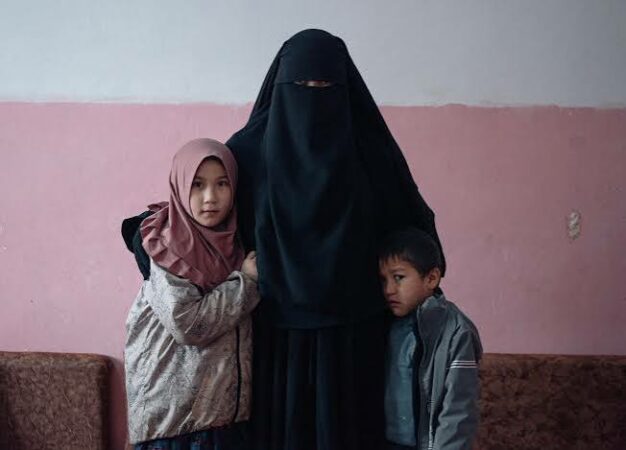
Meanwhile, many of the Uyghurs living in Syria have begun to build a new life. They have established communities, schools and mosques, trying to preserve their language and identity. Some hope to obtain Syrian citizenship, open businesses and secure a future for their children.
However, the dream of returning to Xinjiang and fighting for the independence of East Turkestan, as they call the region that China recognizes as Xinjiang, remains alive for a part of this community. For many of them, returning to their homeland seems increasingly impossible, while the future in Syria also depends on the relationship that the new government will build with Beijing.
Anthony Loyd's article in The Times raises precisely this dilemma: after fighting to liberate Syria from the Assad regime, will the Uyghurs continue to fight for the freedom of their country or will they choose to build a new future in the land that welcomed them as refugees?