





The Pentagon has privately asked the three Baltic NATO members to tone down their statements against Russia, warning that increasingly aggressive rhetoric could harm European security, Reuters reported, citing sources familiar with communications between Washington and its allies.
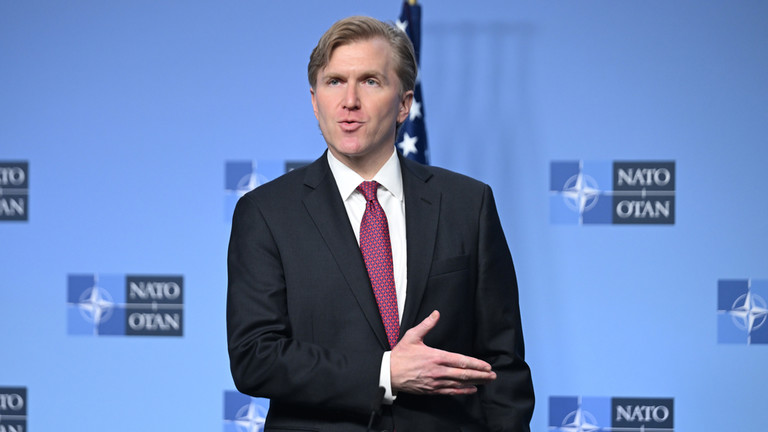
The warning was addressed to Estonia, Latvia and Lithuania, countries that have taken a particularly tough stance towards Moscow. The message was delivered by Elbridge Colby, the Pentagon's policy chief and a key figure in the review of the US military presence in Europe.
According to four sources cited by Reuters, Colby advised representatives of the Baltic states not to “provoke” Moscow. One European official described the American message as follows: “We are helping you. The Americans are there. Just don’t make a fuss. Don’t make a fuss.”
The Pentagon has also reportedly asked an Estonian delegation to exercise more discretion in public communications. It is not known whether a similar warning has been conveyed to other NATO member countries.
A European official called Washington's advice strange, arguing that Baltic intelligence services have already downplayed the possibility of a direct Russian attack on NATO. The Pentagon declined to comment on private communications with allies.
The warning follows a series of strong statements by Baltic officials against the Kremlin. In September, Estonian Prime Minister Kristian Michal compared Russian President Vladimir Putin to “a rat in a corner.” Lithuanian President Gitanas Nauseda has also made harsh statements against Moscow, while also warning of the risk of Russian retaliation after Ukrainian attacks deep inside Russian territory.
Meanwhile, Latvia's Foreign Minister Baiba Braze has accused Russia of "state-sponsored terrorism" after the discovery of a drone packed with explosives at Leipzig airport in Germany. Moscow has denied the accusations. President Putin has repeatedly rejected claims that Russia intends to attack NATO countries and the European Union.
**Trump's diplomatic efforts towards Moscow**
The reported Pentagon intervention comes at a time when the administration of US President Donald Trump is intensifying diplomatic efforts to end the war in Ukraine through negotiations with Moscow.
After a phone call with Vladimir Putin on October 9, Washington temporarily eased some restrictions to allow Russian oil shipments to US and global markets. Trump argued that the move would help ease pressure on American truckers and farmers.
Then, US envoy Steve Witkoff met with Putin in St. Petersburg, where they discussed new proposals for peace in Ukraine. Moscow reportedly agreed in principle to resume trilateral talks with Washington and Kiev in November.
The Pentagon's request to the Baltic allies reflects the US administration's effort to avoid further escalation of tensions with Russia while seeking to create space for negotiations on the conflict in Ukraine.