




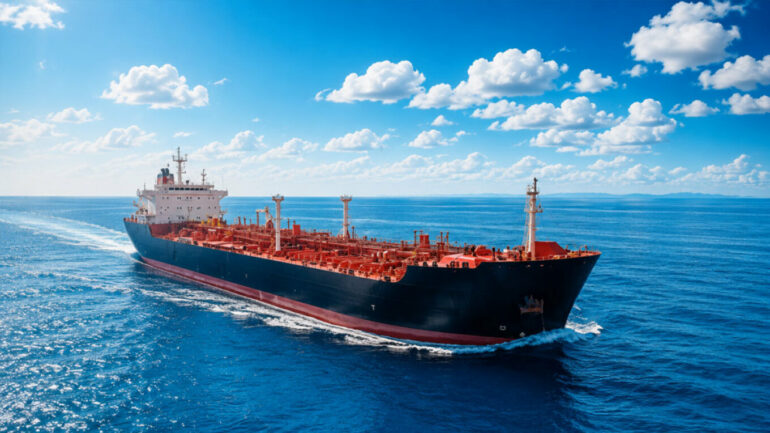



The fuel loaded at South Korean ports is being transported to Russia by tankers, some of which are under Western sanctions. The discovery comes at a time when Russia is facing difficulties in supplying refined petroleum products after repeated Ukrainian attacks on its refineries. According to an analysis of port and ship tracking data by The Guardian, during July and August, more than 176 tonnes of fuel, mostly diesel, were loaded onto seven tankers at several South Korean ports. The ships made a total of 14 trips to the Russian Far East.
Three of the tankers are under sanctions by the UK and the European Union. Another received its cargo through a transshipment operation from another ship in South Korean waters, a practice that could make it harder to trace the origin of the fuel. Isaac Levi, an analyst at the Center for Research on Energy and Clean Air (CREA), said it was concerning that EU-sanctioned tankers had loaded fuel in South Korean ports and then transported it to Russia. He said it could undermine sanctions enforcement efforts and conflict with Seoul’s support for Ukraine.
South Korea has supported Ukraine during the war, providing humanitarian aid and equipment such as helmets, bulletproof vests and demining vehicles. In 2023, Seoul also pledged a $2.3 billion support package for Ukraine, most of which consists of loans. However, South Korea has avoided directly sending lethal weapons to Ukraine, maintaining its long-standing policy of not supplying weapons to countries involved in the war. In parallel, Seoul has shown interest in maintaining and improving economic relations with Moscow. According to the analyzed data, fuel shipments from South Korean ports do not appear to violate South Korean law, as the country’s measures against Russia have focused mainly on export controls on goods including industrial machinery, electronics and vehicles.
However, the use of South Korean ports by sanctioned tankers could raise questions about the implementation of the international sanctions regime against Moscow. Ukrainian drone attacks have damaged a number of Russian refineries, affecting the country's capacity to process crude oil. According to data from the International Energy Agency, crude oil processing at Russian refineries fell in June to the lowest level in more than two decades, while oil production was about 30% lower compared to a year earlier. Data from shipping analytics firm Kpler show that Russia imported about 368 tonnes of oil products by sea in August, more than seven times the previous month's amount and the largest monthly volume since the start of the full-scale invasion of Ukraine in February 2022.
South Korea supplied about 112 tons, or 31% of the total, ranking second only to India. Some of this cargo was carried by tankers included in the sanctions lists of several Western countries. Among them was the sanctioned “Layla”, which made two trips from Ulsan to Vladivostok, transporting a total of about 57 tons of oil. Another ship, the “Astoria”, flying the Russian flag and also included in the Australian sanctions list, loaded about 11 tons of fuel in Ulsan on August 1. In another case, the “Chongchon” took on about 26 tons of fuel from the ship “Celeste I” in the waters near the South Korean port of Geoje, before heading to Vladivostok.
South Korea’s Foreign Ministry did not comment specifically on the fuel shipments or the use of ports by tankers under sanctions. In a statement, the ministry said South Korea, as a “responsible member of the international community,” supports international efforts to end the war in Ukraine and restore peace. Seoul has also expanded export controls to Russia, including 1,402 non-strategic products deemed to have a high potential for diversion to military use. “The government continues to monitor the implementation of export controls to Russia and, when necessary, takes action in accordance with relevant laws and regulations,” the ministry said. British authorities also did not provide a concrete answer on whether the issue of sanctioned tankers using South Korean ports has been raised with Seoul. London reiterated that it remains committed to enforcing sanctions and increasing economic pressure on Russia, with the aim of limiting the income that finances the war in Ukraine.