






The protests that have engulfed Albania for months have entered a new phase, moving from peaceful rallies to violent clashes and placing the resignation of Prime Minister Edi Rama at the center of the demonstrators' demands. In an article published on October 16, the prestigious French newspaper Le Monde, authored by Faustin Vincent, analyzes the escalation of the civic revolt and the dissatisfaction that has accumulated over the years towards the government.
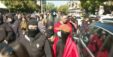
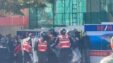
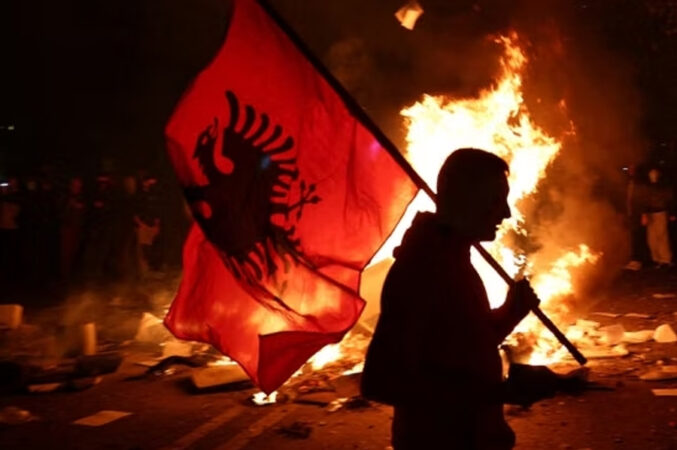
According to French media, just a few days have been enough for the Albanian capital to change its appearance. Fire-damaged public buildings, destroyed bank premises, burned garbage bins and streets littered with glass and stones have become the scene of protests that have shaken Tirana.
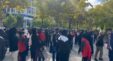
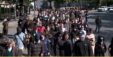
A turning point for the movement was October 13, when thousands of students joined the demonstrations that had been taking place since May 31. Until then, the “Flamingo Revolution” had been characterized by peaceful rallies and symbols related to nature protection. But after months of protests without a tangible result, some demonstrators have escalated their actions.
From protecting nature to demanding the prime minister's resignation
The movement began as opposition to the project to build a luxury tourist complex in the Zvërnec area and on the island of Sazan, an investment linked to Jared Kushner, son-in-law of US President Donald Trump, and Ivanka Trump. Concern about the encroachment on an area of significant natural value gradually turned into a broader protest against the government and the way the country is run.
According to Le Monde, the discontent now goes beyond the environmental issue. Protesters are demanding Rama's resignation, the fight against corruption and improved living conditions. For many of them, the demonstrations represent the accumulation of frustrations since the fall of the communist regime in 1991.
Researcher Gresa Hasa, affiliated with the Balkans in Europe Policy Advisory Group, sees this revolt as a result of the dissatisfaction accumulated over the last 35 years and the citizens' desire to live in a democratic state.
Rama rules out resignation, protests expand to other cities
After two days of no public reaction, Prime Minister Edi Rama dismissed the possibility of resignation and accused the opposition of being behind the protests. He portrayed the situation as an attempt to divert Albania from its path to the European Union.
“[The opposition] seeks to plunge Albania back into the abyss from which we have all pulled it out together and which today we are lifting towards a historic peak, towards the dream of generations of Albanians: the European Union,” Rama declared.
But according to the French newspaper, the discontent is not limited to opposition supporters. Political opponents are also facing chants against them during rallies, while the anger has spread to five other cities in the country.
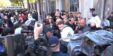
Clashes with the police have become more frequent. According to data cited by Le Monde, 71 people have been arrested in three days, while the Ministry of Health has reported 89 injured, including 61 police officers.
The tensions have also affected daily life. Many parents have chosen not to send their children to school, due to fears of an escalation of the situation. The Minister of Education, Mirela Kumbaro, has responded to these concerns by stating that schools have not been closed.
"People are losing patience"
Commenting on the situation, writer and former Albanian ambassador to Paris, Besnik Mustafaj, calls it unprecedented since the end of the communist regime. According to him, the violence of recent days comes after 137 days of peaceful protests, which, in the perception of the demonstrators, have not been taken into account by the authorities.
However, Mustafaj points out that the lack of organization and a clear leadership structure makes dialogue between protesters and the government difficult.
On the ground, attitudes towards the violence are mixed. Some of the young people interviewed by the French newspaper say that the peaceful protests have not brought the desired change, while other citizens say they support the revolt but oppose the destruction of private property.
Some businesses have temporarily closed their doors to protect themselves from damage. However, the article also describes cases where traders, despite the damage they have suffered, attribute responsibility for the situation to the government's lack of response.
Support for the demonstrators is also evident on the streets of Tirana, where some drivers are honking their horns in solidarity. Other citizens are expressing concern about the use of tear gas and the state of public services, especially health and education.
Criticism of the government and Brussels' silence
Another element that Le Monde highlights is the support that Rama enjoys in the international arena, especially in Brussels, where his government is seen as a partner in Albania's European integration process.
This support contrasts with the accusations of corruption and nepotism that the Albanian people say weigh on the prime minister.
During her visit to Tirana on September 30, European Commission President Ursula von der Leyen did not comment on the protests, a stance that, according to the French newspaper, caused disappointment among the demonstrators.
Meanwhile, the European Union delegation in Tirana condemned the escalation of violence and damage to public and private property.
Albania aims to complete the EU membership process by 2030, but recent developments have raised questions about the country's political situation and stability.
What started as a movement to protect a natural area has turned into a revolt against the government and the political system. After months of demonstrations, the demand for Edi Rama's resignation has become the main axis of the protests, while it remains unclear whether the escalation will bring a political response or further deepen the crisis.