






Financimi i Integrimit Evropian është çështja kyçe për të ardhmen e Ballkanit Perëndimor. Vendet që aspirojnë anëtarësimin në BE hasen me sfida gjatë këtij procesi.
Kompania Impact Assessment Institute ka llogaritur ndikimin që ka zbatimi i objektivave të politikës së BE-së për Marrëveshjen e Gjelbër të BE-së dhe Planin e BE-së për të mposhtur kancerin, me fokus në 2 shtete të Ballkanit Perëndimor, si Kosova dhe Shqipëria. Analiza tregon se Kosova do të humbasë 20% të të ardhurave të të ardhurave të qeverisë, dhe Shqipëria do të humbasë përafërsisht 10 % të të ardhurave të qeverisë.
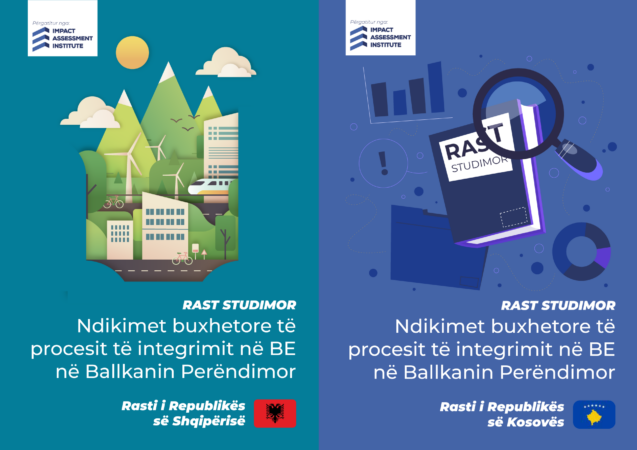
Rasti i studimit “Ndikimet buxhetore të procesit të integrimit në BE në Ballkanin Perëndimor” vlerëson ndikimet buxhetore afatmesme dhe afatgjata që ka procesi i integrimit në Bashkimin Evropian për vendet e Ballkanit Perëndimor. Studimi fokusohet në objektivat e politikës së BE-së për produktet që importohen dhe që sigurojnë pjesën më të madhe të të ardhurave nga doganat dhe akcizat: lëndët djegëse fosile, makinat dhe cigaret.
Bashkimi Evropian ka vendosur objektiva politike specifike në Marrëveshjen e Gjelbër të BE-së dhe në Planin e BE-së për të mposhtur kancerin për vitin 2040: lëndët djegëse fosile duhet të shmangen gradualisht; duhet të kalohet te makinat me emetim zero; dhe njerëzit duhet të lënë duhanin. Përfundimi me sukses i procesit të Integrimit Evropian do të thotë që këto objektiva duhet të përfshihen plotësisht në politikat kombëtare të vendeve që synojnë të anëtarësohen në BE.
Gjetjet e këtij studimi tregojnë implikimet e jashtëzakonshme buxhetore që mund të kenë synimet e politikave të BE-së në të ardhurat e qeverisë. Humbjet në total të parashikuara të të ardhurave për Kosovën janë 20%, dhe për Shqipërinë 10 %. Nëse nuk ndërmerren veprime konkrete, këto humbje të të ardhurave mund të ndikojnë në stabilitetin financiar dhe makroekonomik.
Përveç kësaj, procesi i Integrimit Evropian kërkon investime të konsiderueshme shtesë nga qeveritë, të cilat janë të nevojshme për të zbatuar standardet e BE-së në të gjitha aspektet e shoqërisë dhe ekonomisë. Marrëveshja e Gjelbër e BE-së, dixhitalizimi, reforma e sektorit bujqësor, Reforma e Administratës Publike dhe zhvillimi i politikave gjithëpërfshirëse që mbrojnë grupet vulnerabël janë vetëm disa shembuj të politikave që do të kërkonin angazhim dhe investim të konsiderueshëm.
Impact Assessment Institute shprehet qartë se kërkohet veprim i menjëhershëm për të siguruar që humbja e parashikuar e të ardhurave të kompensohet.
Së pari, dhe më e rëndësishme, Kosova dhe Shqipëria duhet të zhvillojnë strategji për të ardhurat afatmesme dhe afatgjata që parashikojnë implikimet buxhetore të procesit të Integrimit Evropian: humbje të të ardhurave, fitime të të ardhurave dhe nevoja për investime.
Të dyja shtetet, Kosova dhe Shqipëria duhet të përfshihen thellësisht në debatet e politikave të Bashkimit Evropian pasi që objektivat e politikave të BE-së janë të detyrueshme për vendet që duan të anëtarësohen në Bashkimin Evropian.
E fundit, dhe sigurisht jo më pak e rëndësishme, rritja ekonomike duhet të jetë në qendër të politikave të qeverisë për të dyja vendet. Kjo rritje është kyçi për financimin e Integrimit Evropian.
Klikoni në links më poshtë për të lexuar Raportet për Kosovën edhe për Shqipërinë:
Rasti Studimor për Kosovën: https://iai.al/wp-content/uploads/2023/12/Budgetary-Impacts-of-EU-Integration-Process-in-Western-Balkans-The-Case-of-the-Republic-of-Kosovo-AL.pdf
Rasti studimor për Shqipërinë: https://iai.al/BudgetaryImpactsofEUIntegrationProcessinWesternBalkans-TheCaseoftheRepublicofAlbania-AL.pdf
English Version:
EU policy targets and government revenues: 20% loss for Kosovo, 10% loss for Albania
Funding of European Integration is the key issue for the future of the Western Balkans countries. Countries that want to join the EU are facing challenges during this process.
The Impact Assessment Institute calculated the impact of the implementation of EU policy targets for the EU Green Deal and the EU Beating Cancer Plan, focusing on 2 Western Balkan countries, the Republic of Kosovo and the Republic of Albania. The analysis shows that Kosovo will lose 20% of government revenues. For Albania, the predicted revenue loss is 10%.
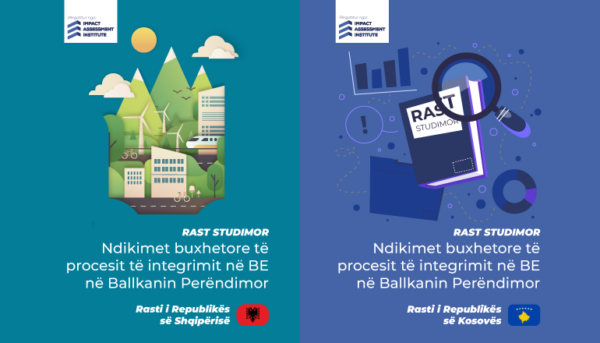
The case study “Budgetary Impacts of EU Integration Process in Western Balkans” assesses the medium to long-term budgetary impacts of the European Union Integration process in Western Balkan Countries. The study focuses on EU policy targets for products that are imported and provide most of the customs and excise revenue: fossil fuel, cars, and cigarettes.
The European Union has set specific policy objectives in the EU Green Deal and the EU Beating Cancer Plan for the year 2040: fossil fuel needs to be phased out; we need to shift to zero-emission cars; and people should stop smoking. Successfully completing the European Integration process means that these targets need to be fully incorporated into the national policies of the countries that aim to join the EU.
The findings of this study indicate the tremendous budgetary implications that EU policy targets can have on government revenues for both of the countries. Total predicted revenue losses for Kosovo are 20%. For Albania, these losses are expected to be around 10%. If no concrete action is taken, these revenue losses can affect financial and macro-economic stability.
In addition, the European Integration process requires significant additional investments by governments. These are needed to implement EU standards across all facets of society and the economy. The EU Green Deal, digitalisation, reform of the agricultural sector, Public
Administration Reform, and developing inclusive policies that protect vulnerable groups are just a few examples of policies that will require significant commitment and investment.
The Impact Assessment Institute makes clear that action is required now to ensure that the predicted loss of revenue is compensated.
First, and foremost, Albania and Kosovo need to develop medium to long-term revenue strategies that predict budget implications of the European Integration process: revenue losses, revenue gains, and investment needs.
Albania and Kosovo need to be closely involved in policy debates in the European Union since EU policy targets are binding for countries that want to join the European Union.
Last, and certainly not least, economic growth needs to be at the center of government policies for both countries. This growth is key to financing European Integration.
Click on the links below to read the full Reports for Kosovo and Albania:
Case study for Kosovo: https://iai.al/wp-content/uploads/2023/12/Budgetary-Impacts-of-EU-Integration-Process-in-Western-Balkans-The-Case-of-the-Republic-of-Kosovo-EN.pdf
Case study for Albania: https://iai.al/BudgetaryImpactsofEUIntegrationProcessinWesternBalkans-TheCaseoftheRepublicofAlbania-EN.pdf